Selecting the right electrical connection for a demanding environment requires careful consideration of both electrical performance and environmental protection. In applications involving vacuum chambers, pressurized equipment, industrial machinery, and specialized instruments, conventional connectors may not provide the required level of sealing. Hermetic seals and hermetic connectors are designed to help maintain a controlled environment while allowing electrical power and signals to pass through an enclosure.
However, not every hermetic component is suitable for every application. Differences in pressure, temperature, electrical load, material compatibility, mounting requirements, and leakage limits can significantly influence product performance.
Engineers and purchasing teams should therefore establish clear requirements before selecting a component. A systematic evaluation can help reduce installation problems, avoid unnecessary costs, and support long-term equipment reliability.
PAVE Technology offers hermetic sealing and electrical feedthrough solutions for specialized applications. Understanding the following selection factors can help determine which configuration is appropriate for a particular system.
1. Define the Application Requirements
The first step is to understand exactly how the component will be used. A hermetic connector intended for a laboratory vacuum chamber may have different requirements from one installed in industrial pressure equipment or an underwater instrument.
Engineers should identify the equipment’s function, operating environment, expected service life, and consequences of failure. They should also determine whether the electrical connection will be permanent or frequently disconnected.
A clear application description helps identify the essential product characteristics. Without this information, it is easy to focus on a single specification while overlooking other important requirements.
For example, a connector may have an appropriate current rating but lack the required pressure capability. Another product may meet the sealing requirement but be unsuitable for the signal frequency used by the equipment.
Preparing an application specification before comparing products helps ensure that each candidate is evaluated against the same criteria.
2. Confirm the Required Hermetic Sealing Performance
Hermetic seals are intended to restrict leakage through a sealed interface. The acceptable leakage rate depends on the application and should be established before selecting the component.
Vacuum systems may require very low leakage rates to maintain their operating pressure. Pressurized systems may have different acceptance criteria based on the process, contents, and safety requirements.
Engineers should identify the maximum allowable leak rate and the test method used to verify it. Helium leak testing is commonly used when very low leakage rates need to be measured, while other methods may be appropriate for different applications.
It is also important to understand whether the documented performance applies to the individual component or the complete installed assembly. The mounting interface can introduce leakage paths even when the connector itself has a suitable hermetic seal.
A product description alone should not be treated as proof that the component meets a specific leakage requirement. Relevant test documentation and manufacturer confirmation provide a stronger basis for selection.
3. Evaluate Pressure and Vacuum Ratings
Pressure capability is one of the most important considerations for hermetic feedthroughs used in demanding environments.
Engineers should identify the normal operating pressure, maximum pressure, pressure differential, and direction of the applied pressure. They should also determine whether the system experiences repeated pressure changes or rapid pressurization.
Pressure ratings must be interpreted carefully. Operating pressure, proof pressure, and burst pressure represent different conditions and should not be treated as interchangeable.
Vacuum applications may require additional attention to outgassing, leakage, and material compatibility. A component that performs adequately in a general vacuum system may not be suitable for a more demanding process.
The feedthrough should be evaluated as part of the complete pressure boundary. The housing, mounting surface, fasteners, and surrounding structure must all support the required conditions.
Where the application involves significant pressure or safety consequences, engineers should verify the design against the relevant engineering standards and manufacturer specifications.
4. Choose Suitable Materials
Material selection influences sealing performance, electrical insulation, corrosion resistance, and long-term stability.
Glass-to-metal and ceramic-to-metal sealing technologies are used in many hermetic electrical assemblies. The appropriate choice depends on the product design, temperature range, mechanical requirements, and electrical specifications.
The housing and conductive elements must also suit the intended environment. Some applications require particular corrosion resistance, while others prioritize conductivity, strength, or compatibility with specific gases and liquids.
Chemical exposure deserves special attention. Oils, solvents, cleaning agents, process gases, and corrosive substances can affect materials differently depending on concentration, temperature, and exposure duration.
Engineers should review the manufacturer’s material information rather than relying on broad assumptions about a material category. If the operating environment includes unusual chemicals or temperatures, application-specific confirmation may be necessary.
The goal is to select materials that remain compatible with the complete operating environment throughout the intended service life.
5. Match the Electrical Requirements
Hermetic connectors must provide dependable electrical performance while maintaining the required sealing integrity.
The electrical specification should identify the number of conductors, current capacity, operating voltage, insulation requirements, and type of signal being transmitted.
Power applications may require conductors and contacts capable of handling higher current without excessive temperature rise. Sensitive measurement systems may need low-noise connections, shielding, grounding, and suitable insulation.
High-frequency applications can introduce requirements involving impedance, signal loss, and electromagnetic compatibility. Specialized coaxial or other connector configurations may be needed.
Engineers should also consider the electrical separation between conductors and between the conductors and housing. The necessary performance depends on the operating voltage and the environment.
Selecting a connector based only on the number of pins can overlook these important characteristics. The complete electrical specification should be reviewed before making a final choice.
6. Consider Operating Temperature
Temperature can affect material expansion, electrical resistance, insulation performance, and sealing stability. Some equipment operates at elevated temperatures, while other applications experience substantial changes between heating and cooling cycles.
Engineers should confirm the minimum and maximum operating temperatures specified for the complete assembly. The cable, mating connector, mounting seal, and other connected components may have different limits.
Thermal expansion is particularly important when an assembly combines materials with different expansion characteristics. Repeated temperature changes can create stress at interfaces and may affect long-term reliability.
Where the application involves frequent thermal cycling, the component may need additional qualification under representative conditions.
Electrical heating should also be considered. Current flowing through conductors creates heat, which can combine with the ambient temperature to influence performance.
Choosing a component with a suitable temperature rating helps prevent the operating environment from exceeding its documented limits.
7. Review Mounting Dimensions and Installation
Correct mounting is essential for achieving the intended sealing performance. Engineers should check the component’s dimensional drawing, mounting method, thread specifications, flange dimensions, wall thickness, and required installation space.
A product may appear suitable in a catalog but prove difficult to install if the surrounding enclosure does not match the specified interface.
The mounting surface must be appropriate for the sealing design. Damage, distortion, contamination, or unsuitable hardware may create leakage paths or mechanical stress.
Cable routing also deserves attention. Heavy cables, sharp bends, and unsupported wiring can place unnecessary force on the connector assembly. Appropriate strain relief and cable support can help reduce these loads.
Installation procedures should follow the manufacturer’s instructions. Engineers should avoid modifying the sealing area or using unapproved mounting methods.
Considering installation early in the design process can prevent costly modifications during assembly or commissioning.
8. Evaluate Vibration and Mechanical Stress
Industrial machinery, transportation equipment, and specialized instruments may experience vibration, impact, or mechanical shock.
These conditions can influence the connector housing, mounting structure, electrical contacts, and attached cables. Engineers should consider the expected mechanical loads when selecting the component.
Vibration performance depends on the connector design and the way it is installed. Cable supports, mounting rigidity, strain relief, and proper retention of mating connectors can all influence reliability.
If the equipment experiences repeated mechanical stress, suitable qualification data may be necessary. The testing should reflect the actual operating conditions as closely as practical.
Frequent connection and disconnection may also cause contact wear. If maintenance requires regular removal of the external connector, the mating interface should be appropriate for the expected number of connection cycles.
Mechanical requirements should be evaluated alongside pressure and electrical specifications rather than treated as a separate concern.
9. Verify Testing and Quality Documentation
Testing and documentation help confirm whether a component meets the intended requirements.
Depending on the application, relevant documents may include technical drawings, material specifications, electrical ratings, pressure ratings, leak-test results, and environmental qualification records.
Engineers should identify which tests are required before placing an order. Possible tests include leak testing, electrical continuity checks, insulation resistance measurements, dielectric testing, and other procedures relevant to the design.
The test method and acceptance criteria should be clearly defined. A test result is meaningful only when its conditions, limits, and scope are understood.
If the application requires compliance with a particular industry standard, the buyer should verify that the specific product configuration meets the applicable requirements. A general statement about product quality is not a substitute for the required documentation.
Maintaining records can also support future maintenance, replacement purchasing, troubleshooting, and traceability.
10. Assess Maintenance and Expected Service Life
The best component is not necessarily the one with the lowest purchase price. Engineers should consider the total cost of ownership, including installation, inspection, maintenance, replacement, and the consequences of failure.
A connector installed in a difficult-to-access location may require additional planning to make inspection or replacement practical. A component used in a system that cannot tolerate downtime may need a different maintenance strategy from one used in less critical equipment.
Expected service life depends on material properties, operating conditions, installation quality, and the frequency of environmental or mechanical stress.
Maintenance procedures should be based on manufacturer guidance and the needs of the application. Inspection intervals may be appropriate where vibration, thermal cycling, or chemical exposure could affect performance.
Selecting a suitable component and maintaining it correctly can help reduce avoidable interruptions and support more predictable equipment operation.
11. Compare Suppliers and Technical Support
Supplier evaluation should include more than price and delivery time. Buyers should consider product documentation, configuration options, technical support, quality processes, and the supplier’s ability to address application-specific requirements.
A supplier that can provide clear specifications and explain product limitations can help engineers make better-informed decisions.
PAVE Technology offers hermetic sealing and feedthrough solutions for specialized applications. Buyers can contact the company with their operating pressure, temperature range, electrical requirements, mounting dimensions, and required leakage performance to discuss potentially suitable configurations.
The exact specifications, availability, testing options, and suitability of a particular product should be confirmed directly with the supplier.
Clear communication before ordering can reduce misunderstandings and help ensure that the selected component matches the intended equipment.
12. Create a Complete Selection Checklist
A structured checklist can help purchasing teams and engineers compare products consistently.
Before approving a hermetic feedthrough, confirm the following:
- The application and operating environment are clearly defined.
- The required leakage limit and test method are established.
- Pressure and vacuum ratings match the intended conditions.
- Materials are compatible with temperature and chemical exposure.
- Electrical current, voltage, insulation, and signal requirements are satisfied.
- Mounting dimensions and installation procedures are suitable.
- Vibration and mechanical loads have been considered.
- Required test records and compliance documents are available.
- Maintenance needs and expected service life have been evaluated.
- The supplier has confirmed the suitability of the specific configuration.
This process helps prevent selection decisions from relying on a single feature or an incomplete product description.
Conclusion
Selecting hermetic feedthroughs requires a balanced assessment of sealing performance, pressure and vacuum ratings, materials, electrical specifications, temperature, mechanical strength, mounting, testing, and maintenance.
Hermetic seals and hermetic connectors must work as part of the complete equipment system. Their suitability depends on the actual operating conditions and the requirements of the application.
PAVE Technology’s hermetic sealing and feedthrough solutions can be evaluated against these factors to identify appropriate options for specialized equipment. By preparing a complete technical specification and confirming product details with the manufacturer, engineers can make informed decisions that support reliable electrical connections and long-term system performance.
All seven articles are now provided. Each includes the exact anchor phrase hermetic feedthrough and mentions PAVE Technology. The anchor phrase is currently plain text because you haven’t provided the destination URL for the backlink.


 Living with persistent worry can turn everyday moments into exhausting challenges. When racing thoughts, shallow breathing, and constant muscle tension become your baseline, simply getting through the day takes tremendous effort. If you find yourself trapped in cycles of chronic stress, working with a qualified
 The air inside a home or workplace can affect comfort, sleep, concentration, and overall well-being. Many indoor problems remain unnoticed because they have no obvious source. A professional


 Staying connected with your favorite Greek television has never been easier. Whether you live abroad, travel frequently, or simply enjoy Greek entertainment,
 서울의 유흥 및 접객 지역에서 아르바이트를 구하는 것은 학생, 젊은 전문가, 유연한


 정기적 인 마사지 치료를받는 것은 특별한 방법이 아닙니다. 그것은 심각한 건강 TV 쇼입니다. 정기적 인 마사지 트리트먼트를 사용하면 다양한 중요한 건강상의 이점을 얻을 수 있습니다. 휴식은 치유, 회복 및 회복의 중요한 측면입니다. 대부분의 사람들은 지금까지 오늘 더 많은 스트레스를 받고 있습니다. 마사지 의자로 정기적 인 마사지 트리트먼트를 받으면 편리함과 더 큰 집을 얻을 수 있습니다.
 원격 기능이 효과적인 목과 어깨 마사지를
 커플의 마사지는 오히려 많은 음료입니다. 마사지의 다른 유형으로, 유일한 차이점은 하나의 마사지


 탄트라와 탄탈라이징, 전신 투 바디 마사지는 사랑하는 사람에게 마사지가 얼마나 에로틱 할 수 있는지 정확하게 보여줄 수있는 가장 좋은 방법입니다. 당신의 접촉과 피부 접촉에 대한 피부의 관능적 인 조합은 당신의 연인을 편안하게할뿐만 아니라 절망에 빠질 수 있습니다.

 때때로 사람들은 많은 일을하는 것에 지쳐


 정기적 인 마사지 트리트먼트




 고급 시계 모조품을 고르는 것은 단순히 마음에 드는 디자인을 고르는 것 이상의 신중한 접근이 필요합니다. 고가의 명품 시계와 유사한 시계를 훨씬 저렴한 가격에 소유할 수
 골프웨어를 선택할 때, 스타일과 편안함을 동시에 잡는 것은 쉽지 않은 일이다. 특히 신흥사다이렉트 같은 브랜드의 레플리카 제품을 고려한다면, 단순히 예쁜 디자인만이 아니라 체형에 맞는 코디법까지 고민해야 한다. 골프는 움직임이 많은 스포츠이기 때문에 착용감과 활동성이 핵심인데, 레플리카 제품은 가격대비 높은 퀄리티와 세련된 디자인으로 인기가 높다. 하지만 체형에 맞지 않는 옷을 입으면 아무리 멋진 디자인이라도 그 매력이 반감될 수밖에 없다.
 부부의 마사지는 마사지의 종류가 아니어야하며, 유일한 차이점은 1 개의 마사지 테이블 대신 실제로 두 가지가 있다는 것입니다. 방에있는 두 명의 치료사가 될 것입니다 – 하나는 당신과 당신의 파트너를위한 다른 치료사입니다. 시작 시간 동안 마사지 요법을 선택하는 사람들은 동일한 신발 룸에서 사랑하는 사람이 진정한 노력을 기울일 때 서비스를 얻는 것이 훨씬 편리 할 것입니다.
 여기 휴먼 터치 HT 5320 마사지 리클라이너에 대한 나의 리뷰입니다. Diane puttman은 Human Touch 마사지

 Inada의 방식은 단순히 기존 모델을 조정할 뿐만 아니라 마사지 의자


 마사지 요법은 웰빙과 복지에 긍정적 인 이점을 가져다주는 것으로 나타났습니다. 많은 과학적 연구에 따르면 신체적, 정서적 긍정적 인 효과의 인상적인 범위가 있음을 확인했습니다.


 옛날부터 마사지는 아기의 근육 강화, 저녁 식사 등에 도움이되는 것으로 알려져 있습니다. 짜증나는


 Hyperblic 컬렉션의 차별점은 단순히 음악을 즐기는 차원을 넘어, 일종의 사회를 구현하는 데 전념한다는 것입니다. 강남의 많은 지역이 가능한 가장 큰 타겟 시장을 만족시키는 주류 비트와 비즈니스 리듬에 집중하는 반면, Hyperblic은 더욱 엄선된 전략을 취합니다. 이곳의 DJ들은 단순한 트렌드 추종보다는 깊이 있는 전문성을 보여주는 스타일, 음색, 그리고 페이스를 선보입니다.
 Finding the

 고요한 해안선과 화산 지형으로 유명한 제주도는 한국의 전통적인 환대와 현대적인 홈 엔터테인먼트가 어우러진 나이트라이프를 제공합니다. 특별한 밤을 보내고 싶은 여행객과 지역 주민 모두를 만족시키는 수많은 시설 중에서도 제주 아일랜드 풀 살롱 프리미엄 노래방은 단연 최고의 장소입니다. 전문 호스티스가 운영하는 편안한 개인 공간에서 편안하게 술을 마시고, 노래를 부르고, 사람들과 교류할 수 있는 몰입형 환경을 제공합니다.


 있습니다. 정기적 인 유방 마사지는 림프 순환을 증가시키고 가슴 성장과 피부색의 탄력을 촉진하며 유방암 종류의 암을 예방하는 데 도움이됩니다. 최근에 엄마가 된 운이 좋은 여성들에게는 유방 마사지가 더 중요합니다. 이 특정 기간 동안 유방 조직은 모유 수유를해야하는 매우 섬세한 요소이며, 예를 들어이 부드러운 부위의 마사지와 같은 몇 가지 단계가 필요합니다.




 마사지 치료사로서, 당신은 매일 일하고, 고객을보고, 그들 모두가 기분이 나아지고 집으로 돌아갈 수 있습니다. 당신은 당신이 누군가를 느끼고 훨씬 행복하게 만들었다는 것을 알고, 감각 만족감을 느낍니다. 덜 복잡한 좋은.
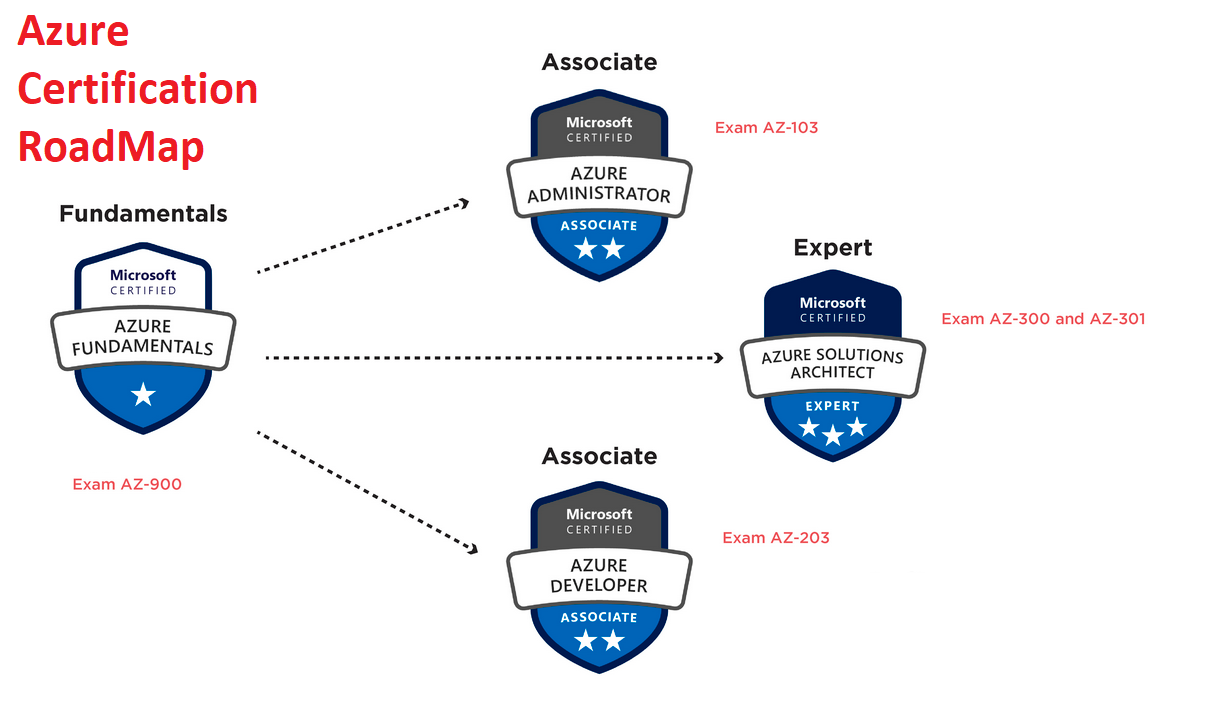 Everything You Need to Know to Get Started with Cloud Computing


 In recent years, electric scooters have taken the world by storm as a fun, efficient, and eco-friendly way to travel. From city streets to rugged trails, scooters are popping up everywhere. But as their popularity grows, so does the variety of models available—especially when comparing off-road electric scooters to regular commuter scooters. So, what makes an off-road electric scooter different from a regular one? The differences lie far deeper




 슈트돌의 노래방 시스템은 모든 언어, 시대, 장르를 아우르는 수만 곡을 들을 수 있는 풍부한 기능을 갖추고 있으며, 모든 것을 손끝에서 즐길 수 있습니다. 하지만 혼자 방문하는 사람들에게 이 시스템을 진정으로 특별하게 만드는 것은 직관적이고 편견 없는 터치스크린 인터페이스입니다. 명곡 발라드를 전부 연습하고 싶으신가요? 대기열에 넣고 자신감이 솟아오를 때까지 연습하세요. 개인적인 의미가 담긴 노래가 갑자기 땡기시나요? 바로 그때, 관객의 비웃음이나 판단 없이 진심 어린 연주를 들을 수 있는 순간입니다. 시스템은 선택한 곡에


 总的来说,下载最新的2025版搜狗输入法,将为用户带来更快速、更智能、更安全的输入体验。其在人工智能预测
 除了设备端环境之外,系统问题也会显著加剧 WhatsApp 的网络连接干扰。如果运行 WhatsApp 的电脑 Wi-Fi 信号不稳定,系统干扰可能会导致程序突然终止。即使两个设备看起来都连接正常,带宽和延迟的降低也可能导致网络客户端超时。








 먼저 치료사가 어떤 종류의 마사지를하는지 알아야합니다. 그 / 그녀는 스웨덴 마사지, 딥 티슈 마사지 또 다른 종류의 반죽을합니까? 통증이 거의없는 편안한 메시지가 필요하다면 스웨덴 마사지가 당신에게 완벽하게 어울릴 수 있습니다. 깊은 조직은 당신에게 너무 강렬하게 변할 수 있습니다. 이 모든 것은 사람들이 찾고있는 것에 달려 있습니다. 그래서 그녀가 필요로하는 다양한 기술에


 À medida que os avanços da TI continuam avançando, o pátio de regulamentação do monitoramento de clubes de futebol vai, sem dúvida, continuar acelerando. Ao utilizar o poder elétrico da tecnologia moderna, os grupos de vôlei estão realmente muito melhor posicionados para atingir seus objetivos, tanto dentro quanto fora da área, especificando novos critérios em eficiência, interação e superioridade funcional.


 Creating a strong brand identity is crucial for property management companies. An effective logo can communicate your values and services at a glance. Focus on elements that evoke trust, such as houses, keys, or buildings. Opt for a clean design with minimal clutter to ensure versatility across various platforms.